Maryland may not be as frigid as some northern states, but winter cold snaps can still be brutal. In January, our coldest month, overnight lows often fall into the low to mid-20s °F. This is more than cold enough to freeze unprotected water lines.
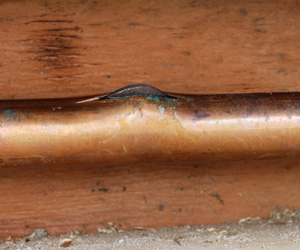
When water freezes inside a pipe, it expands, creating intense pressure that can rupture the pipe. A single burst pipe can release hundreds of gallons of water, damaging walls, floors, and personal belongings. That’s why taking steps to prevent frozen pipes during Maryland winters is so important.
Frozen pipes are a recurring issue for Maryland homeowners and builders whenever temperatures plunge. Pipes in attics, crawl spaces, basements, or near exterior walls are especially vulnerable, especially when insulation is lacking or cold air sneaks in through gaps.
Why Do Pipes Freeze and Burst?
Water is unique. Unlike most liquids, it expands when it freezes. Ice takes up about 9% more space than liquid water, and that expansion pushes outward on the pipe walls. In extreme cold, pressure can reach thousands of PSI, enough to crack metal or plastic pipes.
Often, a pipe freezes at its coldest point, creating an ice blockage. Pressure builds between that blockage and a closed faucet until the pipe gives way. The result is a burst pipe and potential flooding once the ice thaws. Pipes that freeze most often include outdoor hose bibs, sprinkler lines, and interior pipes in unheated spaces or walls that touch the outdoors. Understanding this process helps homeowners apply effective frozen pipe prevention tips.
Tip 1: Insulate Exposed Pipes and Wall Cavities
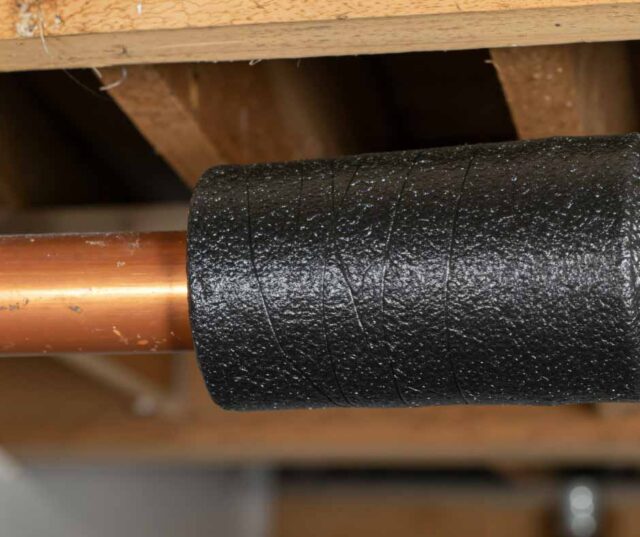 One of the best ways to protect pipes in cold weather is with proper insulation. Start by locating pipes that run through unheated or poorly insulated spaces such as basements, crawl spaces, attics, garages, and exterior walls. Insulate exposed water pipes using foam pipe insulation sleeves, which are inexpensive and easy to install.
For pipes located inside exterior walls, upgrading wall insulation can make a big difference. Kitchens and bathrooms on outside walls are common problem areas. Adding dense-packed fiberglass or spray foam helps keep pipes warmer and reduces overall heat loss. In many Maryland homes, insulation can be retrofitted through small access holes without opening entire walls.
Attics and crawl spaces also play a major role. A properly insulated attic or crawl space stays significantly warmer than outdoor air, helping prevent freezing while also lowering heating costs. It’s important to make sure these areas meet recommended insulation levels.
Tip 2: Seal Cracks and Close Gaps to Stop Cold Air
Insulation works best when paired with air sealing. Seal and caulk drafts and air leaks around windows, doors, sill plates, and anywhere pipes or wires penetrate exterior walls. Even small gaps can funnel cold air directly onto pipes.
Basement rim joists are a common trouble spot. This area, where the foundation meets the framing, often has gaps that allow cold air to seep in around plumbing. Sealing rim joists with spray foam or rigid foam panels helps block that airflow.
Homes with crawl spaces should also address exterior vents. During winter, temporarily cover crawl space vents to prevent cold air from flooding the space. Foam board panels are commonly used and can be easily removed when temperatures rise or if moisture becomes a concern.
Tip 3: Protect and Heat Vulnerable Pipe Sections
Some pipes need more than insulation alone. For lines that freeze repeatedly, use heat tape or heat cable. These electrical heating elements wrap around pipes and provide just enough warmth to prevent freezing. Always use UL-approved products and follow installation instructions carefully.
Water meters and main water entry points deserve special attention, too. Insulate these areas and ensure they remain heated to at least 55°F. If water lines run through the garage, close garage doors to protect plumbing, as garages can become extremely cold very quickly.
Inside the home, pipes along exterior walls inside cabinets are also vulnerable. Leaving cabinet doors open allows warm air from the room to circulate around the plumbing.
Tip 4: Maintain Warm Indoor Temperatures
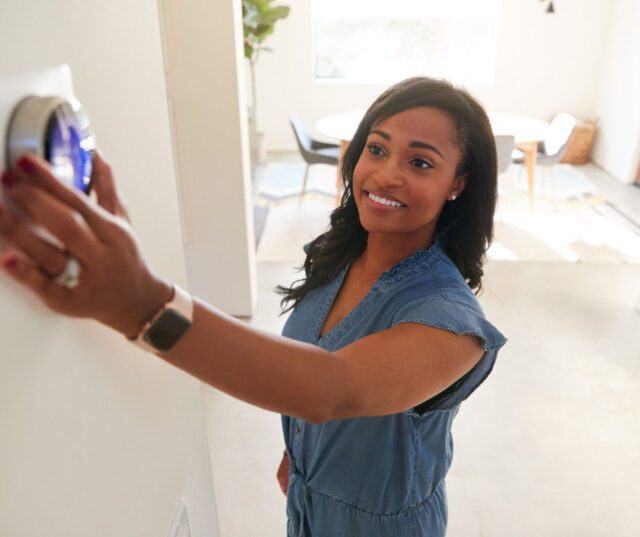 Your heating system is a key defense against freezing pipes. Maintain indoor heat at 65 degrees or higher and ensure home temperatures do not drop below 55°F. It’s important to keep the thermostat at a consistent temperature rather than letting the house cool down significantly overnight.
Be sure warm air can move freely. Open kitchen and bathroom cabinet doors on exterior walls, keep interior doors open, and don’t shut off heat entirely in unused rooms. If you plan to leave for the winter, either keep your heat on or drain the plumbing system completely and shut off the main water valve.
Tip 5: Let Faucets Drip During Extreme Cold
During severe cold, let faucets drip during deep freezes. Moving water is less likely to solidify. During nights with temperatures in the teens or lower, let both hot and cold-water drip slightly from vulnerable faucets, especially those farthest from the water supply. Focus on fixtures fed by pipes that have frozen before or that run along exterior walls. The small increase in water use is minimal compared to repair costs. Remember to turn faucets off when the temperature rises above freezing again.
Tip 6: Winterize Outdoor Faucets and Water Systems
Outdoor plumbing needs special attention before winter arrives. Always disconnect and drain outdoor hoses in the fall. Leaving a hose attached traps water inside the faucet and pipe, nearly guaranteeing a frozen or burst pipe.
If your home has interior shutoff valves for outdoor faucets, shut off water to outside spigots, open the exterior faucet to drain it fully, and leave it open. This step is critical to properly winterize outdoor faucets and hose bibs.
Sprinkler systems, outdoor kitchens, and pool plumbing should also be winterized according to manufacturer guidelines. For homes with sump pumps, make sure the discharge line is clear and draining properly to prevent backups and flooding.
Tip 7: Be Prepared: Know Your Shutoff Valve and Plan for Emergencies
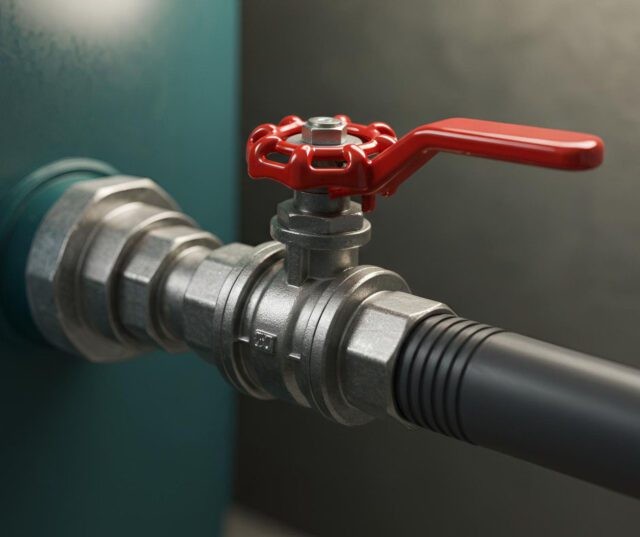 Even with precautions, pipes can still freeze during extreme weather or equipment failures. Prepare for the worst by ensuring you know the location of the main water shut-off valve and that every adult in the household knows how to operate it. Acting quickly can help prevent burst pipes and water damage.
Keep a hair dryer handy in case a pipe freezes. They are ideal for thawing frozen pipes safely with gentle heat. Always open the faucet first and start thawing near it, working toward the frozen section. Remember to be careful and never use an open flame. Call a licensed plumber for help if you cannot locate or access a frozen section, or if you notice a leak.
Prepare Your Home for the Winter Cold Ahead
Preventing frozen pipes in Maryland comes down to insulating and sealing your home properly, maintaining steady heat, and following smart habits during cold snaps. Remembering these cold weather best practices for pipes will protect your home, your belongings, and your peace of mind.
If you are concerned about your home’s insulation or have had issues with frozen pipes in the past, DeVere Insulation Home Performance is here to help. Our team delivers insulation and air-sealing solutions rooted in building science and local expertise. Contact us today for a free evaluation and keep your Maryland home safe, comfortable, and efficient all winter long.
References
Baltimore City Department of Public Works. (n.d.). Weatherization tips. City of Baltimore. https://publicworks.baltimorecity.gov/sites/default/files/Weatherization%20Tips%20Updated_0.pdf.
Dutton, J. A. (n.d.). Physical properties and latent heat. EARTH 111: Water: Science and society. Penn State College of Earth and Mineral Sciences. https://courses.ems.psu.edu/earth111/node/842.
Howard County Bureau of Utilities. (2022, December). Protect your pipes from freezing. Howard County, Maryland. https://www.howardcountymd.gov/News122022b.
Insulation Institute. (n.d.). Maryland building performance standards. North American Insulation Manufacturers Association. https://insulationinstitute.org/wp-content/uploads/2025/05/N103-MD-Energy-Code-0425.pdf.
Maryland State Archives. (n.d.). Weather. Maryland Manual On-Line. https://msa.maryland.gov/msa/mdmanual/01glance/html/weather.html.
National Association of Insurance Commissioners. (n.d.). Will my homeowners insurance policy cover water damage from a burst pipe? NAIC. https://content.naic.org/article/will-my-homeowners-insurance-policy-cover-water-damage-burst-pipe.
Roto-Rooter. (n.d.). How to prevent outside faucets from freezing. https://www.rotorooter.com/blog/outdoor-plumbing/how-to-prevent-outside-faucets-from-freezing/#:~:text=The%20easiest%20and,let%20it%20drain.
Town of Chesapeake Beach. (n.d.). Preventing frozen and bursting water pipes. Chesapeake Beach, Maryland.
University of Illinois Extension. (n.d.). Cold weather frozen pipes: Extension gives you all you need to know. University of Illinois Urbana-Champaign. https://extension.illinois.edu/news-releases/cold-weather-frozen-pipes-extension-gives-you-all-you-need-know.
University of Missouri Extension. (n.d.). Frozen pipes create big problems during cold weather. University of Missouri. https://extension.missouri.edu/news/frozen-pipes-create-big-problems-during-cold-weather.
U.S. Department of Energy. (n.d.). Air sealing your home. Energy.gov. https://www.energy.gov/energysaver/air-sealing-your-home.
WSSC Water. (n.d.). Winter ready. Washington Suburban Sanitary Commission. https://www.wsscwater.com/winterready.
WSSC Water [@wsaboricuapr]. (2025, January). Do what you can to protect your home’s water pipes [Photograph]. Instagram.https://www.instagram.com/p/DE7sIThJsma/.