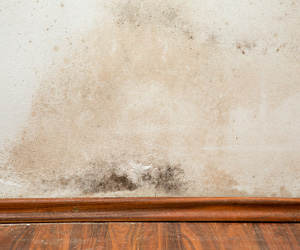
Mold in your home can cause a variety of problems for you and other Maryland homeowners. It can leave behind stains, musty odors, and even affect your indoor air quality. Over time, it can also damage and destroy the materials it grows on like your wood framing, drywall and carpets.
The biggest concern is your health. Mold is a type of fungus, and exposure to mold can trigger serious health effects for you and your family, especially those with asthma or allergies.
Once mold is growing, cleanup is complicated and expensive. That’s why the best solution is preventing mold before it starts. To do that, you need to understand how and why it grows.
Mold Growth Requirements
For mold to grow, it needs three things:
- Mold spores
- A food source like wood, drywall, or other organic matter
- Moisture
Mold spores are almost everywhere. But without a wet surface and a food source they won’t grow into colonies. This makes moisture control the key to mold control and keeping it out of your home.
Indoor mold frequently becomes a problem due to water leaks, high indoor humidity, or dampness. Here in Maryland, homeowners face even more heightened moisture challenges thanks to our humid summers, frequent rain, and damp basements.
While eliminating all moisture from your home is virtually impossible, here are three smart ways to reduce the risk.
Strategy 1: Seal Your Building Envelope to Keep Moisture Out
Your building envelope is made up of your outside walls, roof, foundation, windows, and doors, essentially everything that separates the inside of your home from the outside. But gaps, penetrations, and poorly sealed areas create leaks in your building envelope and allow sources of moisture like rain or humid air to sneak inside your home. This humid outside air can condense on cooler surfaces and become a breeding ground for mold. Some of the most common places for leaks are your roof, windows, and pipes.

Actions You Can Take
Fix building leaks immediately
Even the smallest intermittent leaks can keep materials damp enough for mold to grow. Be sure to address and repair dripping plumbing, roof or window leaks as soon as they are discovered.
Seal cracks and penetrations
Use caulk, foam, or weatherstripping to seal around windows and door frames, and penetrations around pipes, vents, and wires. Not only will you help keep moisture out, but air sealing also helps create a more energy-efficient home.
Dry materials during construction
Never close up damp wood or drywall inside the walls. Always allow framing and sheathing to dry to proper moisture levels. Monitor the humidity level of every job, use fans or dehumidifiers to dry any wet materials, and let materials dry completely before closing up walls.
Results
When you control moisture and humidity levels and fix building envelope leaks you help stop mold spores and mycotoxins from turning into a full-blown mold problem. You can’t get rid of every spore but you can help stop them from spreading. Your first line of defense against mold is a well-sealed, well-maintained building envelope.
Strategy 2: Ensure Proper Ventilation to Remove Indoor Moisture
Why Ventilation Matters
Having a tightly sealed home is great for energy efficiency but it prevents indoor moisture from cooking, showering, laundry, and even breathing from escaping. Without proper ventilation, your indoor humidity rises, creating condensation that can appear on your windows or walls. These can be early signs of potential mold conditions. Here in Maryland, where our outdoor humidity during the summer is high, indoor moisture management is a necessity.
Ventilation Strategies
Bathroom and kitchen exhaust fans
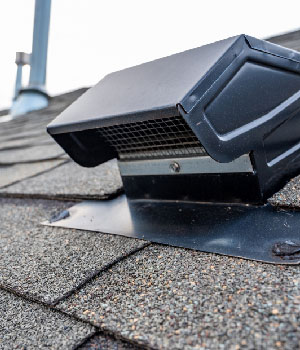
Always run exhaust fans when cooking and during showers. At the very least, open a window. Use a range hood fan when cooking or boiling water and make sure your fans vent outside and not into your attic or crawl space. These fans will help pull moisture out before it can spread through your house.
Clothes dryer venting
Never vent your dryer indoors or into your attic. Having a dedicated dryer vent to the outdoors is essential to prevent dumping huge amounts of moisture into your home.
Whole-house ventilation
Maryland building codes often require mechanical ventilation systems in newly built or renovated airtight homes. Systems like an Energy Recovery Ventilation System (ERV) or Heat Recovery Ventilation System (HRV) bring in fresh air and push out stale, humid air in a controlled way. These systems maintain healthy air quality without wasting energy.
Use AC and dehumidifiers
Both air conditioners and dehumidifiers help lower humidity during muggy seasons. Always try to keep your home’s humidity level below 60%, ideally between 30–50%. You can use an inexpensive hygrometer to track the humidity level to make sure. When you see condensation on your interior surfaces, it indicates a need for increased ventilation or dehumidification.
HVAC Maintenance
Keep your HVAC system clean and well-maintained. Maintaining your system by keeping drip pans and drain lines clean and unclogged will help prevent mold from breeding.
Remember the key principle “build tight, ventilate right.” This two-pronged, balanced approach is essential to enjoying a comfortable, energy-efficient home without trapping moisture inside.
Strategy 3: Insulate and Seal Basement Box Sills
Identifying the Problem Area
Along the perimeter of your basement or crawl space ceiling, where the floor framing meets the foundation are your home’s box sills. This area is one of the thinnest parts of your home. In many older Maryland homes, the box sills are filled with fiberglass batt insulation but not air sealed.
The problem? Fiberglass is porous and doesn’t completely stop air flow. So humid air leaks in and hits the cooler wood of your box sills, causing condensation. Then the wood and fiberglass stay damp, and you get mold growing in a spot you rarely check. This damage can go unnoticed until you smell it or a contractor finds it during an inspection.

How to Fix It
The best way to fix the problem is to use spray foam insulation or rigid foam board to insulate and seal the rim joists. Be sure to seal the edges with foam or caulk sealant. This approach will give you an insulating thermal barrier, block humid air, and prevent condensation by warming the box sill surface. You’ll also enjoy improved energy efficiency since box sills are major sources of air leakage.
For local builders, sealing box sills is a standard good practice during construction. As a local homeowner of an older home, it’s important to have your basement or crawl space evaluated and retrofitted with proper insulation and air sealing. Taking care of your home’s box sills will reduce the risk of mold in your basement or crawl space, cause fewer drafts, and keep your floors above warmer in the winter. All of these are a win-win for both home health and comfort.
Keeping Your Home Dry, Comfortable, and Healthy
Both homeowners and homebuilders can agree that the goal is to create a mold-resistant home. In our humid Maryland climate, it takes planning and upkeep to avoid headaches down the road. Following these three steps: sealing your building envelope, providing proper ventilation, and targeting high-risk areas like box sills, will help keep mold problems from becoming a part of homeownership. Remember, it’s far easier, and cheaper, to prevent mold growth than to clean up an infestation.
Are you ready to keep your living space dry, comfortable, and healthy? DeVere Insulation Home Performance is the company to call. Our expert team provides our Baltimore area community with the air sealing, insulation, and home energy improvements they need to create and maintain an energy-efficient and mold-resistant home. We identify problem areas and implement effective solutions tailored to your home’s needs.
Contact us today for a free assessment and take control of your home’s moisture for good.
References
Maryland Department of Health. (n.d.). Healthy homes. Maryland Department of Health. https://health.maryland.gov/phpa/OEHFP/EH/pages/healthy-homes.aspx
Maryland Department of Health. (2011). Mold fact sheet [PDF]. https://health.maryland.gov/docs/MOLD_FACT_SHEET_rev082011.pdf
Pennsylvania Housing Research Center. (n.d.). Durability evaluation of insulated rim joists [PDF]. Pennsylvania State University. https://www.phrc.psu.edu/assets/docs/Publications/Durability-Evaluation-of-Insulated-Rim-Joists-FINAL.pdf
U.S. Environmental Protection Agency. (n.d.). A brief guide to mold, moisture and your home. https://www.epa.gov/mold/brief-guide-mold-moisture-and-your-home
University of Maryland Eastern Shore. (n.d.). Mold prevention. https://wwwcp.umes.edu/physplant/mold-prevention/