For many Maryland homeowners their crawl space is out of sight, out of mind and they rarely venture down into the creepy, cramped areas below their home. But problems in the crawl space can silently impact your entire home’s structure, indoor air quality, and energy bills.
Nearly half of the homes in our state are over 30 years old and are often under-insulated compared to newer homes. That puts many local crawl spaces at risk. Let’s take an in depth look at four major ways your crawl space may be negatively affecting your Maryland home.
I. Moisture Damage
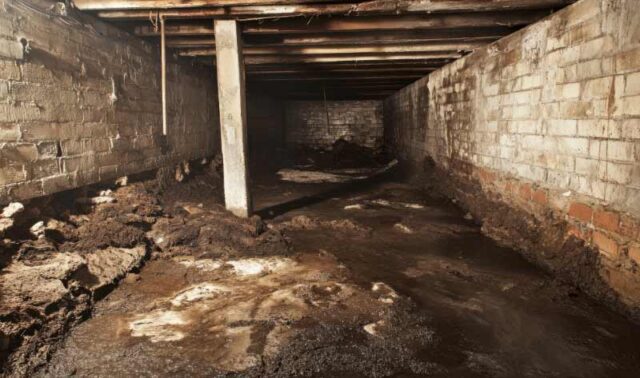 Here in Maryland, especially in the Baltimore area, our summers are marked by humidity. Terms like “muggy, oppressive, or miserable” are often used to describe our summer days. And with that humidity comes moisture, the number one enemy of your crawl space.
During the summer, the moist, humid air creeps into your cooler, vented crawl space, condenses on surfaces, and soaks into the wood and insulation. Over time, this constant dampness can cause your wood framing to swell, warp, and rot, weakening your floor joists or beams.
Left unnoticed, moisture in the crawl space fuels mold growth, which can eat away at wood and spread fast to other areas. Unfortunately, damp basements and crawl spaces are very common sources of indoor mold problems. Once mold sets in unchecked on your subfloor, support beams, or other structural members, you may need to replace them. If you notice a musty smell or stains, damage from moisture problems may already lead to costly repairs.
To stop this, air sealing, properly insulating your crawl space, and adding a vapor barrier are key. These steps, plus ensuring proper drainage around your home, can help eliminate moisture and the problems associated with it.
II. Poor Air Quality
 Did you know that most of us spend about 90% of our time indoors? But many homeowners don’t realize that their crawl space can have an impact on their entire home’s indoor air quality. The reasoning is simple: what’s in your crawl space doesn’t stay there. Thanks to “stack effect,” air from below gets pulled into your living area above through unsealed penetration points between the crawl space and the first floor of your home, especially in winter. And inside that air you may find mold spores, dust, allergens, and any odors living in your crawl space.
Having a damp crawl space fuels mold problems that can contaminate your air and aggravate asthma and other respiratory conditions in family members with breathing concerns. Children and the elderly can also be easily affected. Air sealing and insulating your crawl space will improve the air quality and help keep these pollutants out of your home.
Your crawl space can also allow soil gases, such as radon, into your home. This invisible radioactive gas can seep in through your crawl space’s dirt floor. Because it’s odorless and the leading cause of lung cancer in non-smokers, Maryland health officials recommend all homes be tested for radon and fixing those found with high levels. Taking steps to add crawl space encapsulation, seal your crawl space, improve ventilation and even install a mitigation system (if needed), will help keep your indoor air cleaner and your family healthier.
III. Critters
Your crawl space may be providing free room and board to some pesky tenants, and you don’t even know it! Your dark, damp crawl space is the perfect home for unwanted guests like mice, rats, or even snakes. Rodents especially love easily accessible crawl spaces. These pests can chew through your insulation and electrical wiring (creating other hazards) and leave urine and droppings that can lower your home’s air quality and spread diseases.
Another type of pesky creature is insects, especially the wood-destroying kind. Insects like termites and carpenter ants love moist places and damp wood and your wet, unencapsulated crawl space essentially rings the dinner bell for these pests. They enter your home through the crawl space foundation or wood posts and then settle in. Termites, like Maryland’s native Eastern subterranean termites, eat through the wood while carpenter ants instead excavate for galleries, leaving your home’s structure compromised. They can remain undetected for years as they make their way through floor joists and subflooring. The first signs of these creepy crawlies are soft, punky wood or piles of insect wings near your crawl space.
It’s reported that termites cause more damage than fires or storms, with property owners spending over $2 billion annually to treat and repair the damage left behind. Controlling moisture, sealing gaps, and crawl space repair can stop pest infestations and protect your structure.
IV. Lost Energy Dollars
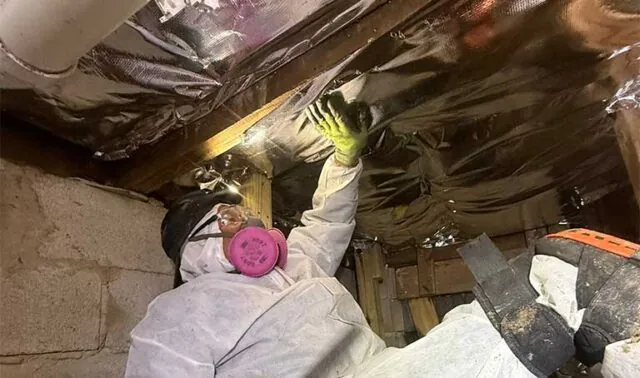 Our local climate is a mix of freezing winters and hot, humid summers. This means that your uninsulated and unsealed crawl space will be freezing in the winter and stifling in the summer, leaving you with a cold floor under your feet in January and a muggy first floor in August.
This easily increases your monthly energy bills since your heating and cooling systems must work overtime to keep your home comfortable. But it doesn’t have to be that way.
Properly insulating and air sealing your crawl space will help keep your conditioned air in your living area where you can enjoy warmer floors in winter, more comfortable rooms, and an overall drop in energy usage. It’s estimated you can save an average of 15% on your heating and cooling costs thanks to taking these steps.
Take Back Your Crawl Space with DeVere Home Performance
Remember, even though your crawl space is out of sight, it shouldn’t be out of mind. Unchecked moisture, air quality, pests, and energy problems can impact your entire home’s value and your family’s health. But all four issues can be remedied with the right approach and techniques.
The expert team at DeVere Insulation Home Performance specializes in identifying and resolving crawl space issues. Homeowners across Maryland count us for effective crawl space and insulation solutions to protect their homes and save them money. We’re here to help you take back control of your home. Contact us today to schedule your free estimate.
References
Maryland Department of Health. (2011). Mold Fact Sheet [PDF]. Retrieved from https://health.maryland.gov/docs/MOLD_FACT_SHEET_rev082011.pdf
Maryland Department of Health. (n.d.). Radon. Retrieved 2025, from https://health.maryland.gov/phpa/oehfp/eh/pages/radon.aspx
Maryland Energy Administration. (2008). Typical household electricity consumption [Fact sheet]. Retrieved from https://energy.maryland.gov/documents/typicalhouseholdelectricityconsumptiondetails.pdf
University of Maryland Environmental Finance Center. (2020). Strengthening Stormwater Management in Cambridge, Maryland (Report). College Park, MD: UMD School of Architecture, Planning and Preservation.
University of Maryland Extension. (2024, October 17). Termites (Home & Garden Info Center Resource). Retrieved from https://extension.umd.edu/resource/termites
University of Maryland Extension. (n.d.). Termites vs. Carpenter Ants – Common Questions (Maryland Grows Blog). Retrieved from https://marylandgrows.umd.edu/tag/termites/
Sellner, M., & Wicht, J. (2021, April 21). How many American homes have pests? U.S. Census Bureau. Retrieved from https://www.census.gov/library/stories/2021/04/how-many-american-homes-have-pests.html
U.S. Environmental Protection Agency. (2025, June 4). Termites: How to Identify and Control Them [Fact sheet]. Retrieved from https://www.epa.gov/safepestcontrol/termites-how-identify-and-control-them
U.S. Environmental Protection Agency. (n.d.). Methodology for Estimated Energy Savings (Seal and Insulate). ENERGY STAR Program. Retrieved from https://www.energystar.gov/saveathome/seal_insulate/methodology
Hales, D. (2022, July 19). The scary crawlspace. BPA Journal, Building Performance Association. Retrieved from https://building-performance.org/bpa-journal/the-scary-crawlspace/
Maryland – Climate. (2025). In Encyclopædia Britannica. Retrieved from https://www.britannica.com/place/Maryland-state/Climate